Why human-in-the-loop still wins in AI dubbing
Pure automation gets you about 80% of the way to a broadcast-ready dub. The last 20%, performance, comic timing, the way a line lands in a specific culture, is exactly where a human director still earns their seat in the room.
Every few months someone declares that AI has "solved" dubbing. The demos are genuinely impressive. But a demo is one line in ideal conditions; a series is ten thousand lines under deadline, where a single flat delivery can pull a viewer out of the story. The interesting question is not AI or humans, it is which parts of the job each one should own.
The 80/20 of an automated dub
When we break a finished episode down by task, most of the volume is mechanical work that models handle well. The value, though, concentrates in a small set of judgment calls.
Where AI genuinely accelerates
Used well, models compress the front half of the pipeline from days to hours. Transcription, a first-pass adaptation, and draft timing arrive before a human ever opens the file, so the expensive people spend their time on decisions, not typing.
Where humans are non-negotiable
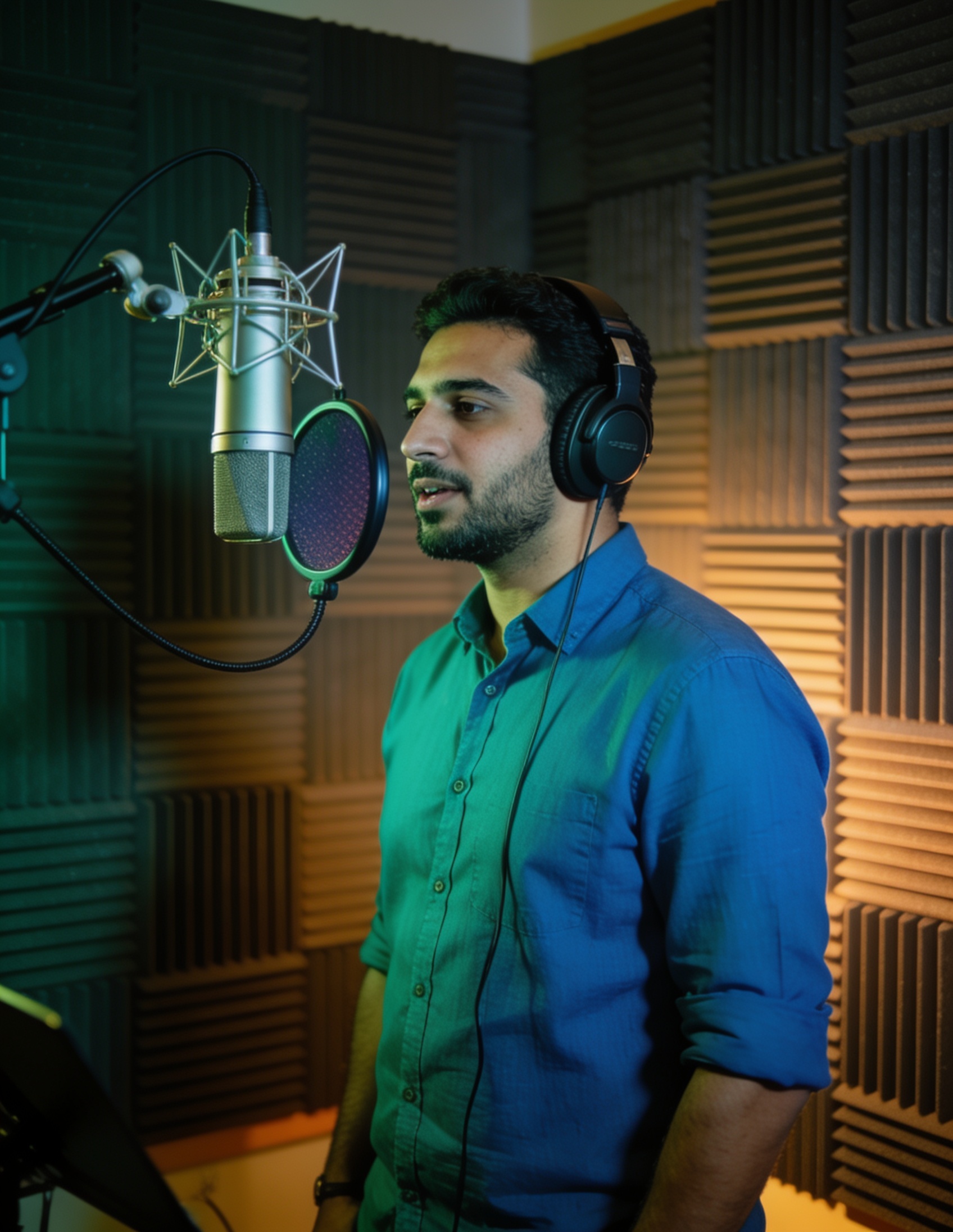
Some calls can't be averaged out of a training set. Whether a joke should be rewritten or preserved, how much grief to put in a voice, when a regional idiom will read as warm rather than clumsy, these are directorial decisions, and audiences feel them instantly when they're wrong.
AI alone
- Consistent, fast, tireless
- Flattens emotional range
- Misses subtext & irony
- No accountability for a miss
Human-in-the-loop
- AI speed on the mechanical 80%
- Director shapes the performance
- Cultural calls made on purpose
- One owner for final quality
Automation raised the floor. It did not raise the ceiling, that's still a person with taste., Screens dubbing direction team
The economics actually favor the hybrid
Counter-intuitively, keeping humans in the loop is what makes the AI worth deploying. Because the model clears the mechanical backlog, directors can cover more titles at the same quality bar, so throughput goes up without the usual trade-off.
That's the whole thesis. The teams winning with AI dubbing aren't the ones who removed people, they're the ones who moved people to the 20% that only people can do.